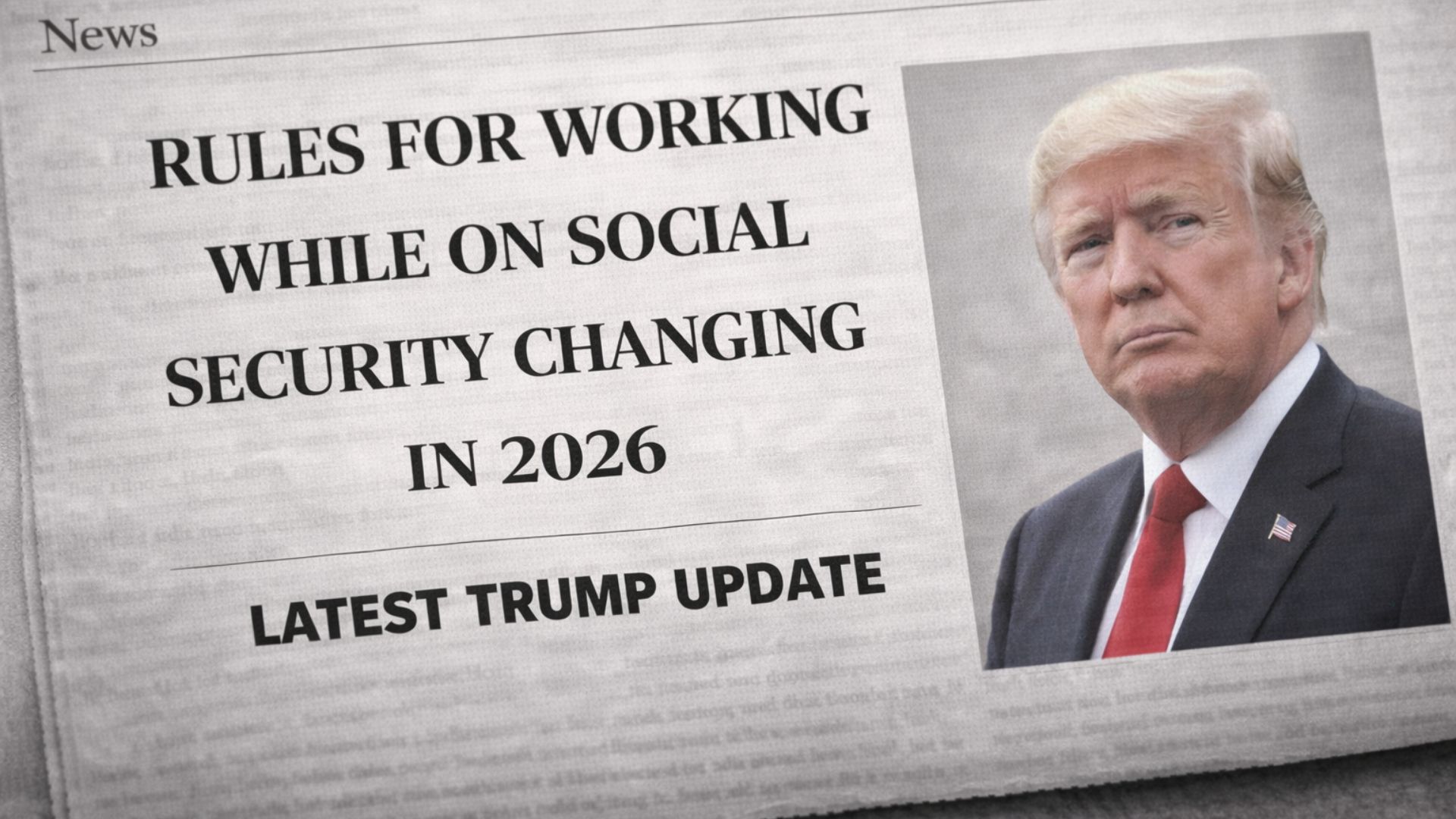
In 2026, Social Security rules related to working while receiving retirement benefits are becoming more flexible, offering welcome relief to millions of older Americans. Many retirees today choose to continue working due to rising living costs, personal fulfillment, or the need to strengthen their financial security. The updated rules affect how much income retirees can earn from work without facing temporary reductions in their Social Security benefits, making careful planning more important than ever.
How Working While Receiving Social Security Works
Social Security allows people to collect retirement benefits even if they continue working. However, when benefits are claimed before reaching full retirement age, earnings above a certain limit can cause part of the monthly benefit to be withheld. These rules are not meant to punish work but to balance early benefit claims with ongoing income. In 2026, the Social Security Administration has raised these earnings limits, giving retirees more room to earn without immediate benefit reductions.
Higher Earnings Limits in 2026
One of the most important updates for 2026 is the increase in annual earnings thresholds. Retirees who claim benefits before full retirement age can now earn more money before Social Security begins to withhold payments. This change helps early retirees who rely on part-time or seasonal work to supplement their income. For those reaching full retirement age during 2026, an even higher earnings limit applies for the months before that age is reached, and benefit reductions are smaller than in earlier years.

What Happens After Full Retirement Age
Once a person reaches full retirement age, all earnings limits disappear. Retirees can work full-time, part-time, or be self-employed without any reduction in Social Security benefits. This rule remains unchanged in 2026 and continues to provide complete freedom for those who choose to stay in the workforce longer.
Temporary Withholding Is Not Permanent
If a retiree earns more than the allowed limit before full retirement age, Social Security temporarily withholds part of the monthly benefit. This money is not lost. After full retirement age, benefits are recalculated, and future payments increase to make up for the amounts that were previously withheld. In simple terms, benefits are delayed, not taken away.
Who Benefits Most From the 2026 Changes
The updated rules are especially helpful for early retirees who want flexible work, professionals who are not ready for full retirement, and self-employed individuals with income that varies from year to year. With higher earnings limits, retirees have more control over how they balance work and benefits while managing higher living expenses.
Planning Ahead for a Smoother Retirement
Even with more flexible rules, planning remains important. Retirees should monitor their annual earnings, understand how close they are to full retirement age, and factor Social Security rules into their work decisions. Smart planning can help maximize both earned income and long-term benefit payments.
The 2026 Social Security earnings rule updates reflect a shift toward greater flexibility and realism for modern retirees. By allowing higher earnings and removing penalties after full retirement age, the system better supports older Americans who want or need to keep working. Understanding these rules can help retirees protect their benefits and strengthen their financial future.
Disclaimer:
This article is for informational purposes only and does not provide financial, legal, or retirement advice. Social Security rules, earnings limits, and benefit calculations are subject to change based on federal regulations and individual circumstances. Readers should consult the Social Security Administration or a qualified professional for guidance specific to their situation.